Northumbria, UK - 26th - 28th February 2024
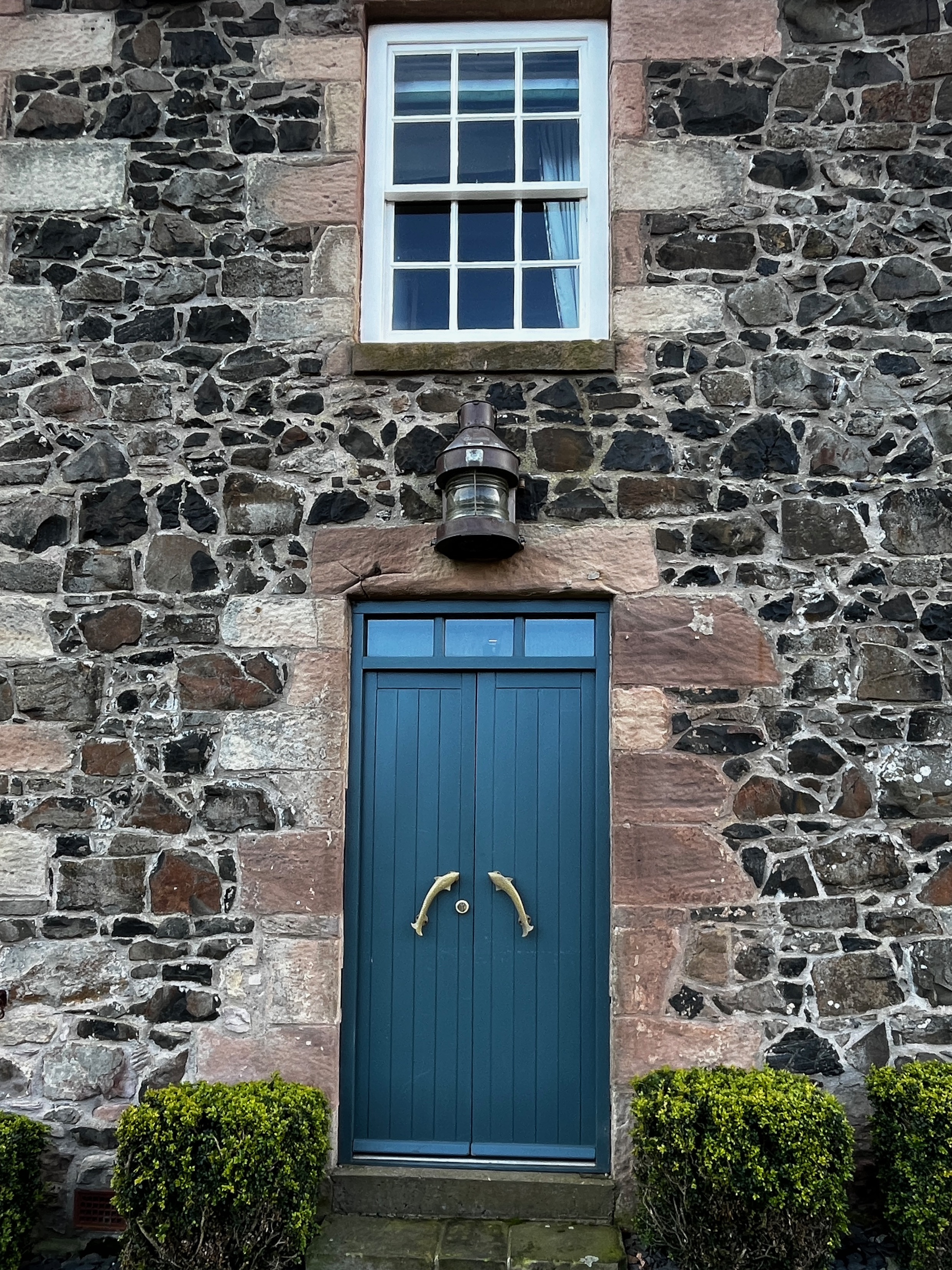
Our lovely temporary home in Seahouses, Northumbria, was at Karen's gorgeous Airbnb. As fans of the "The Last Kingdom" TV series based on the books by Bernard Cornwell, our primary objective during our visit to this beautiful county was to visit Bamburgh Castle. Obviously, this was not the original castle of Viking invasion times but it gave us a taste of the rugged, stunning coastal scenery upon which those invaders had landed.
Fortifications built on the site of the current castle have a chequered past, from the original built around the 5th century which came under Anglo-Saxon rule in 590, only to be destroyed by Vikings in 993. Normans then invaded and came along to build a new castle which lies at the core of the current one.
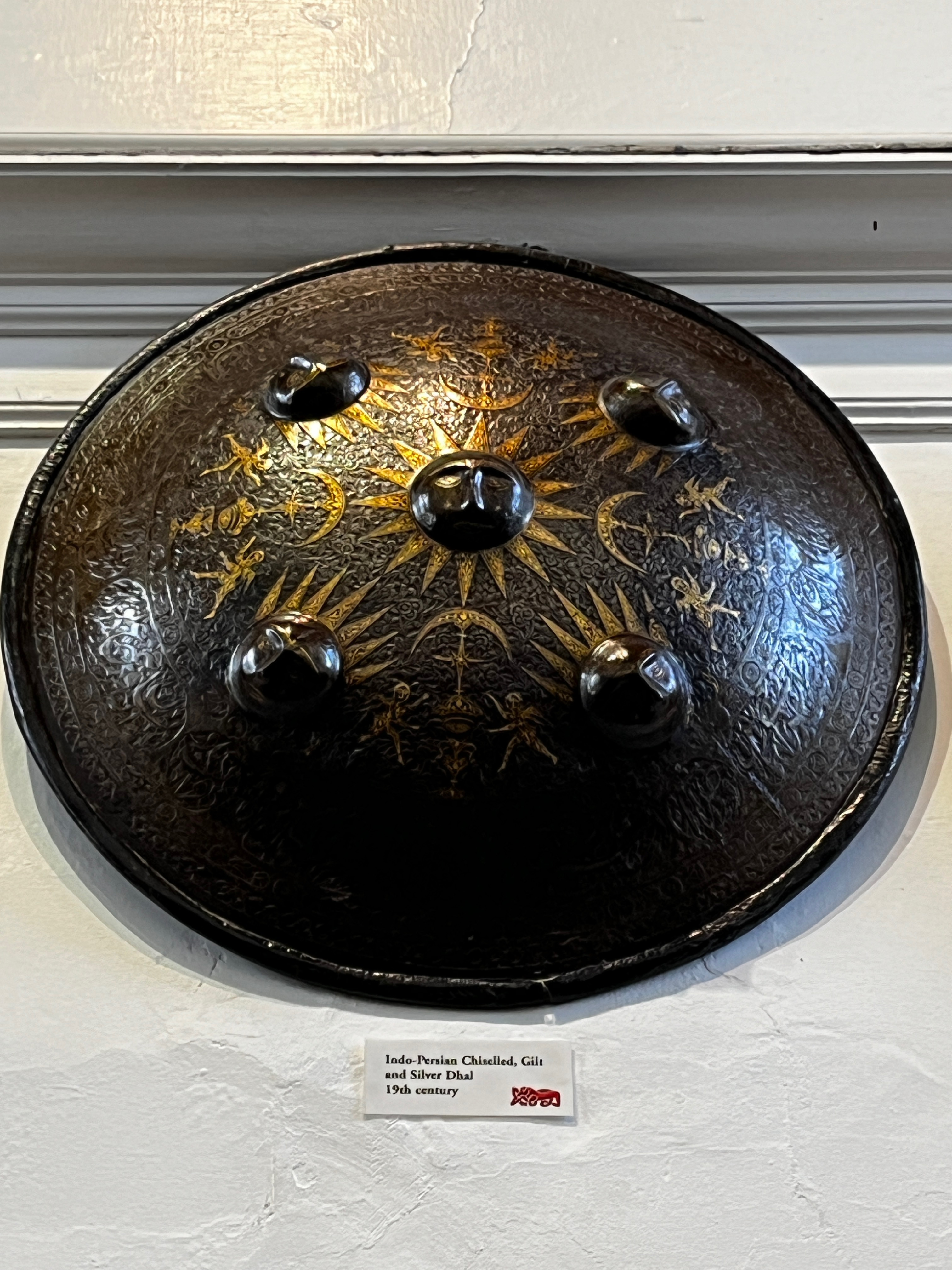
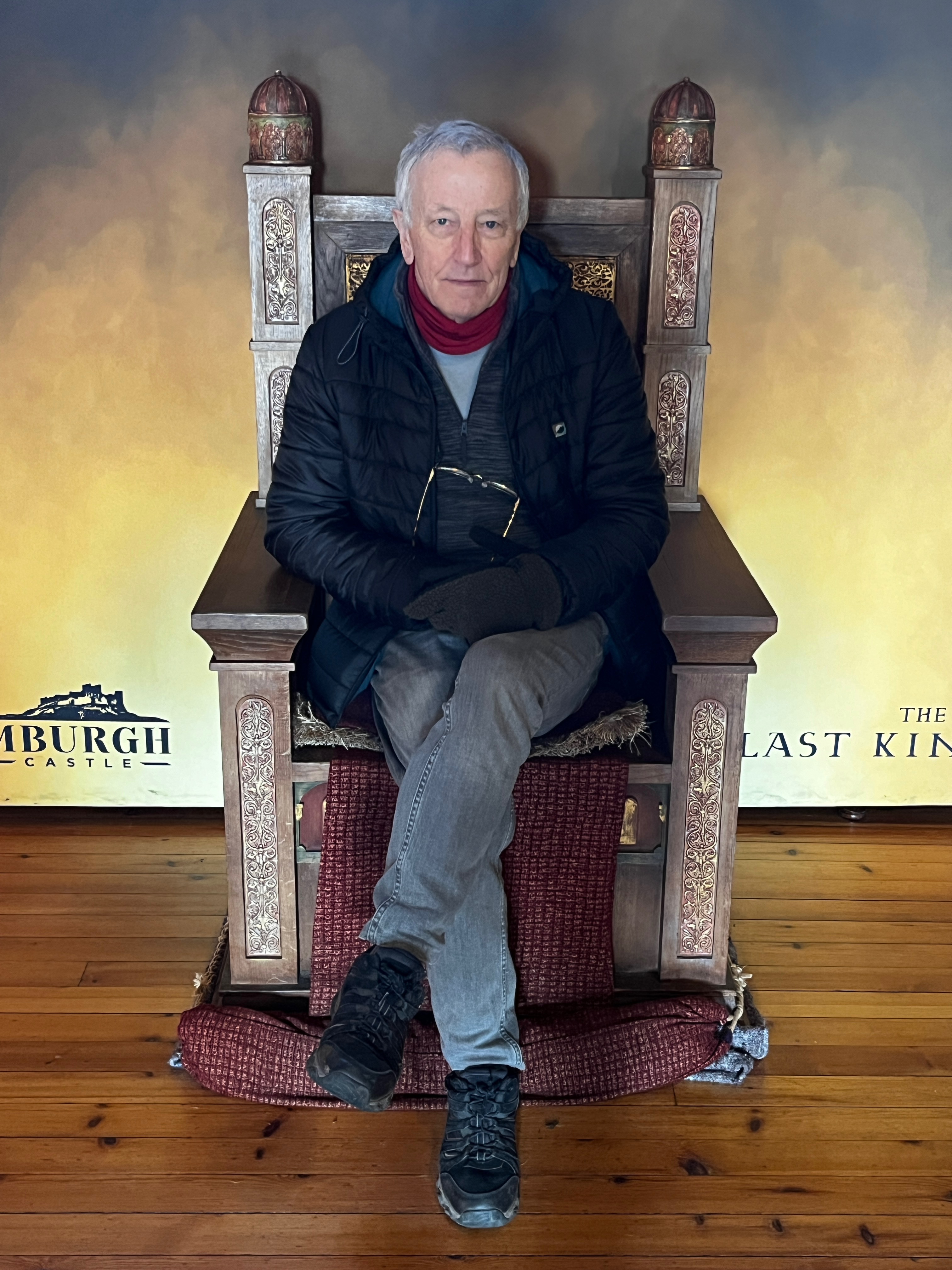
By the 17th century it had come into disrepair but was saved by Victorian industrialist William Armstrong, who restored it beautifully. It now contains many interesting collections belonging to the family, who still own the building. While we were there we also enjoyed an exhibition of costumes from 'The Last Kingdom'.
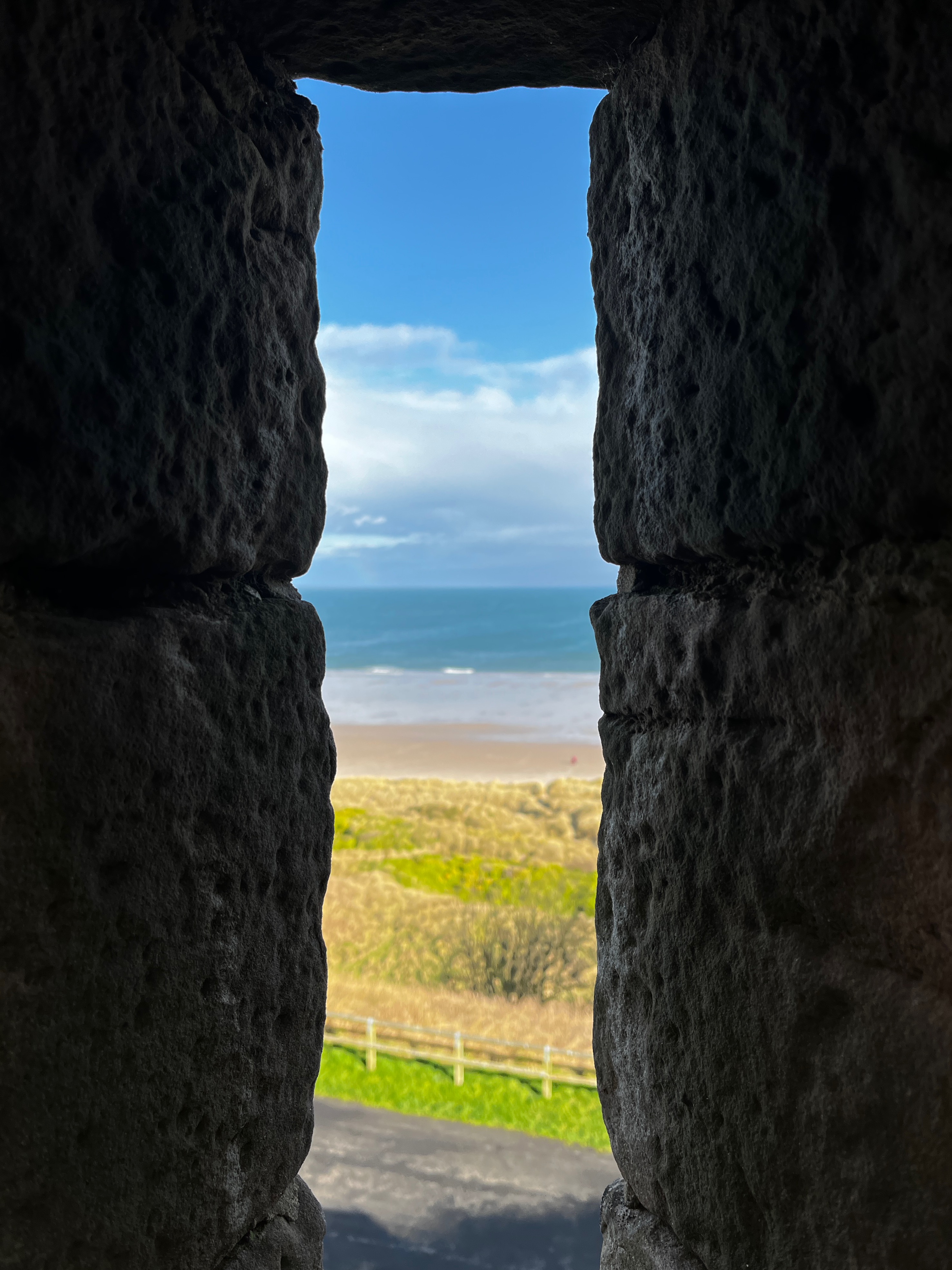
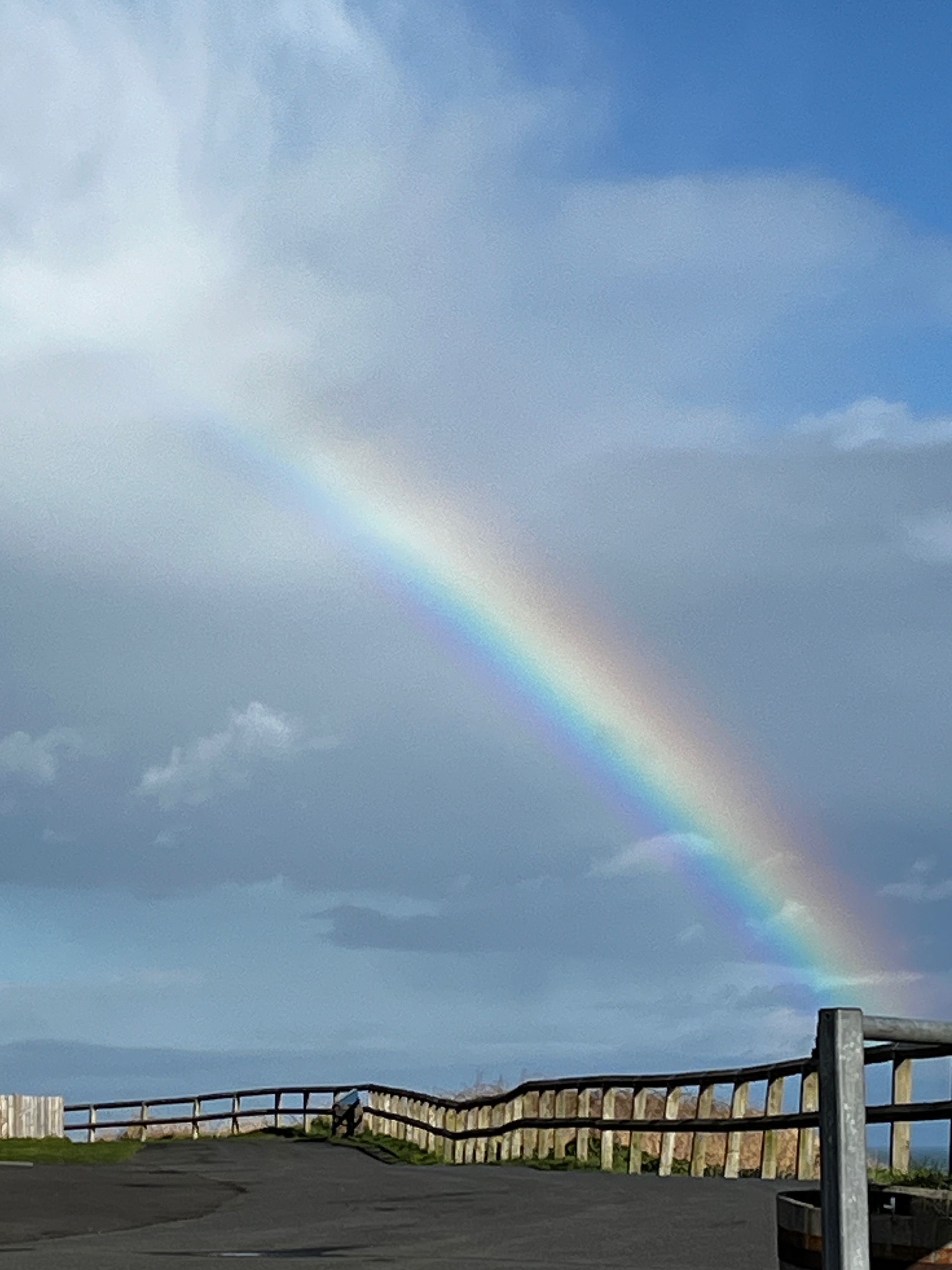
No
Vikings to be seen.
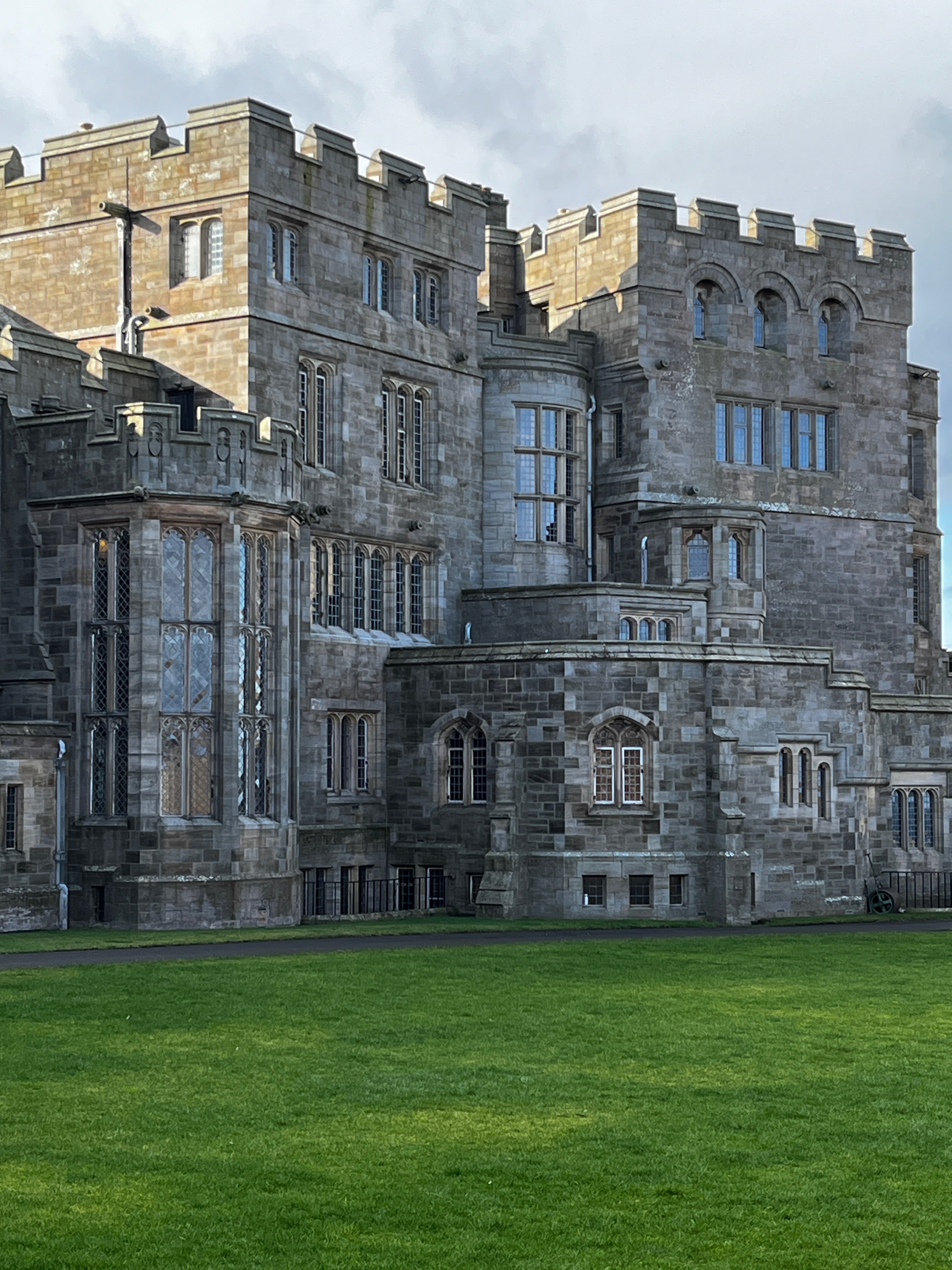
Main
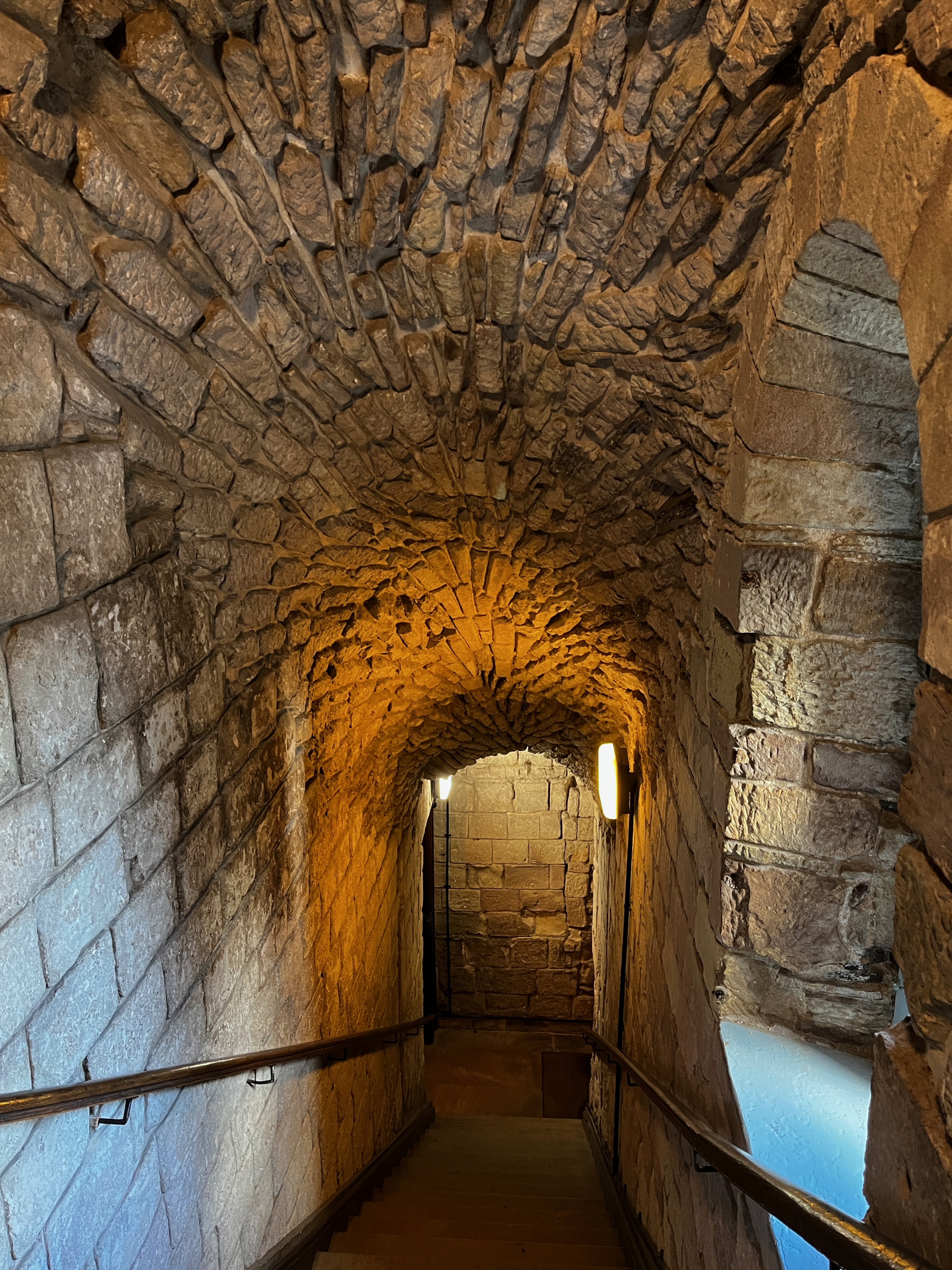
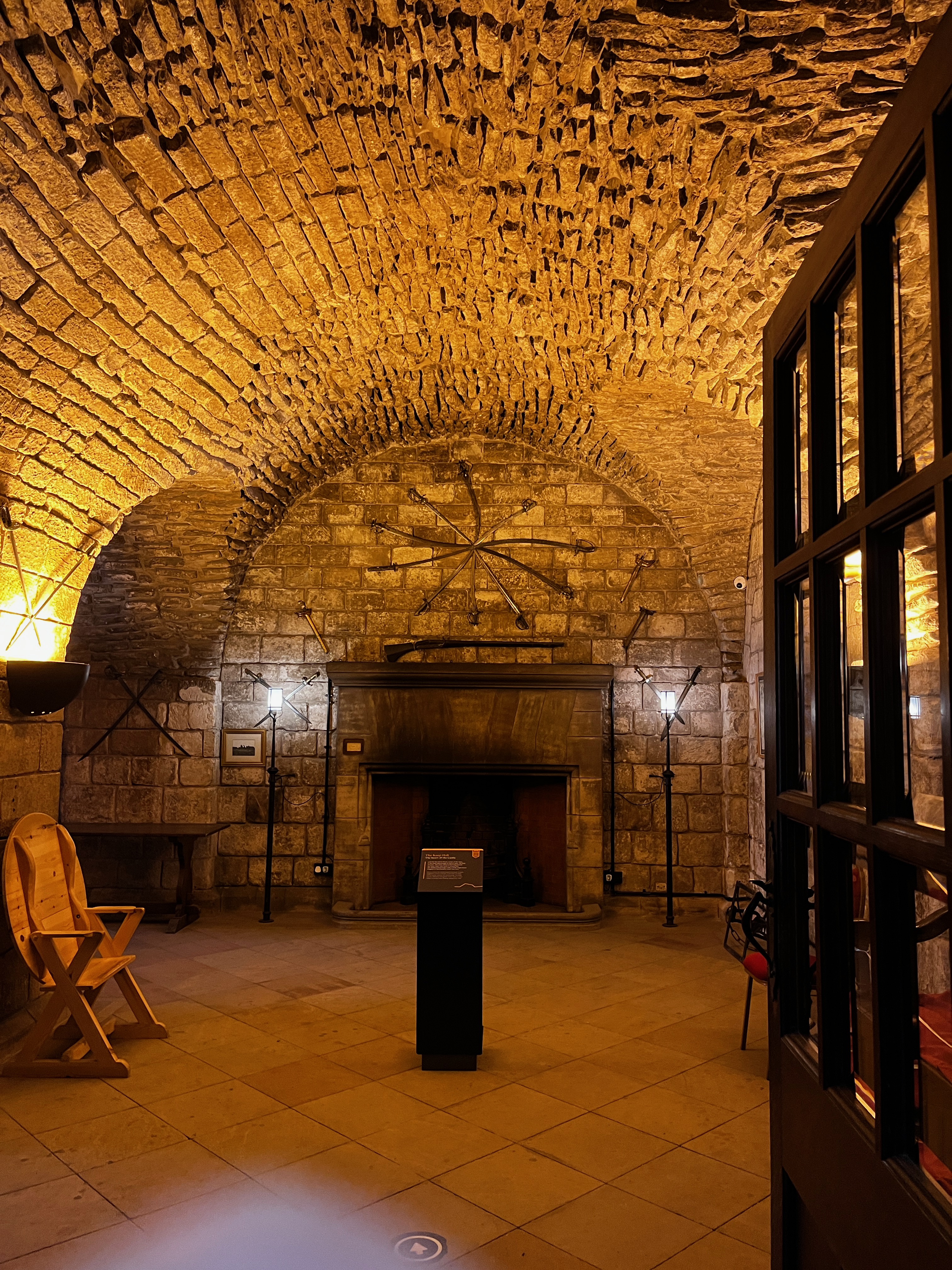
Castle buildings
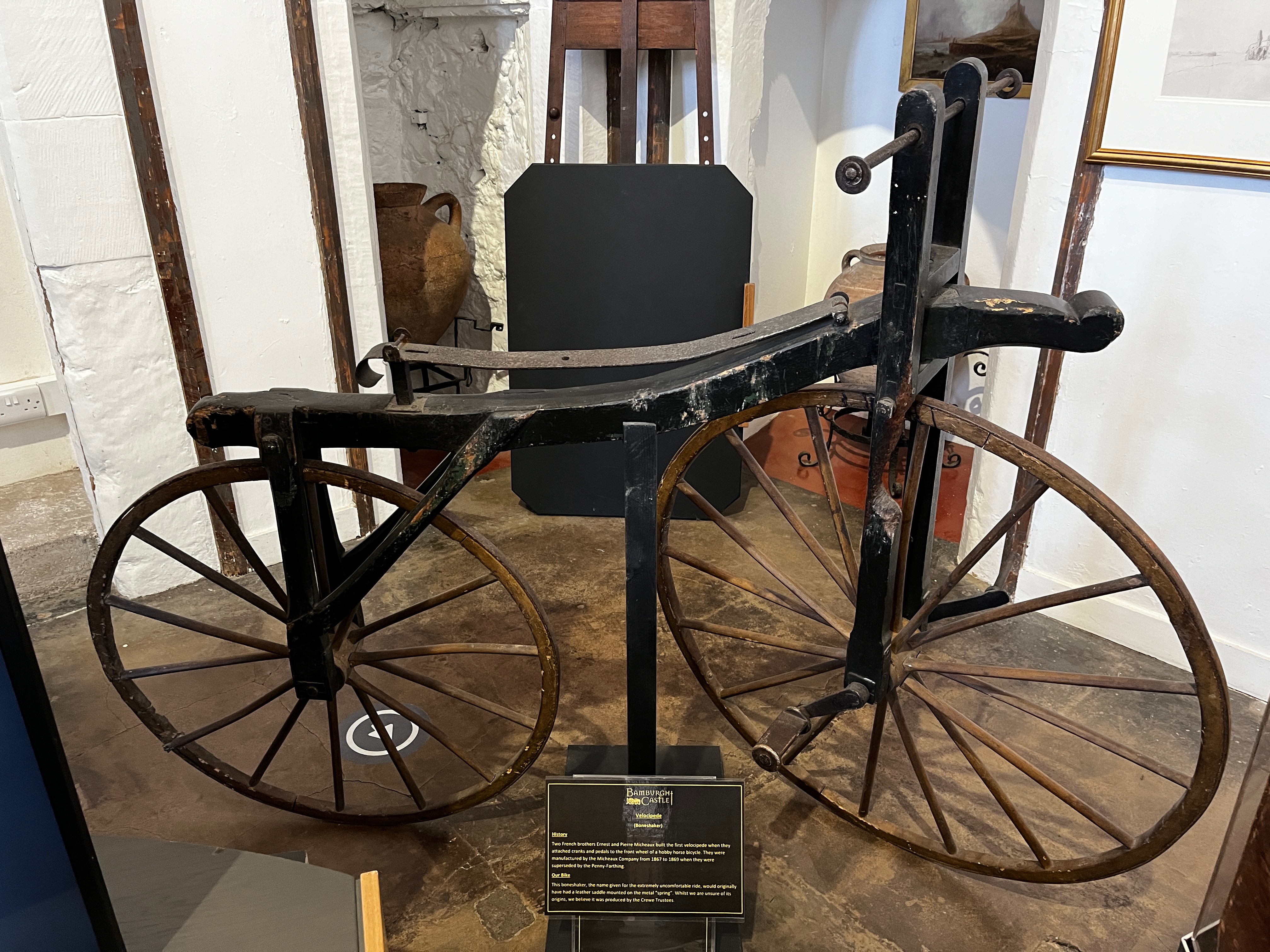
Velocipede.
Temporary
King and Queen.
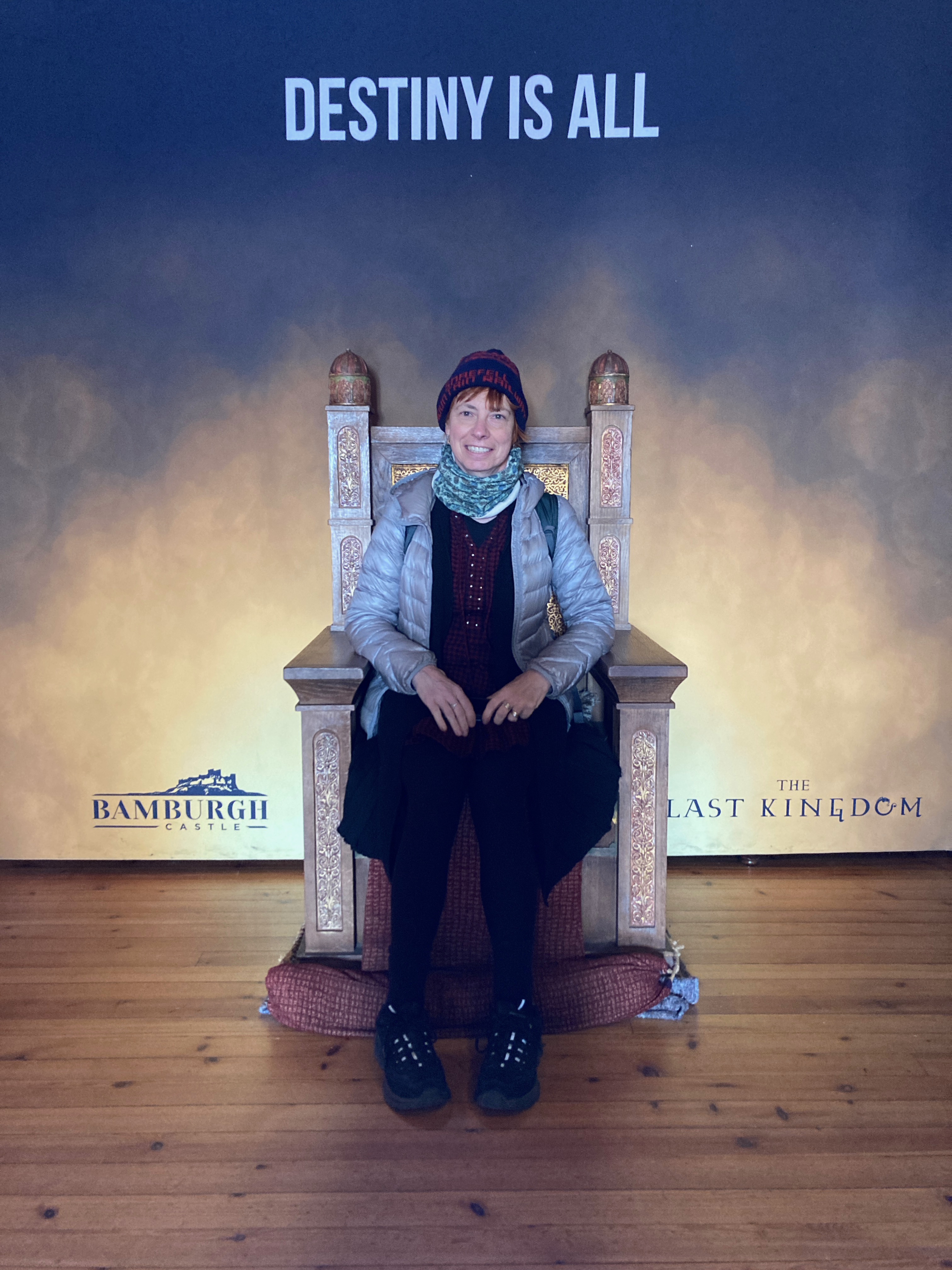
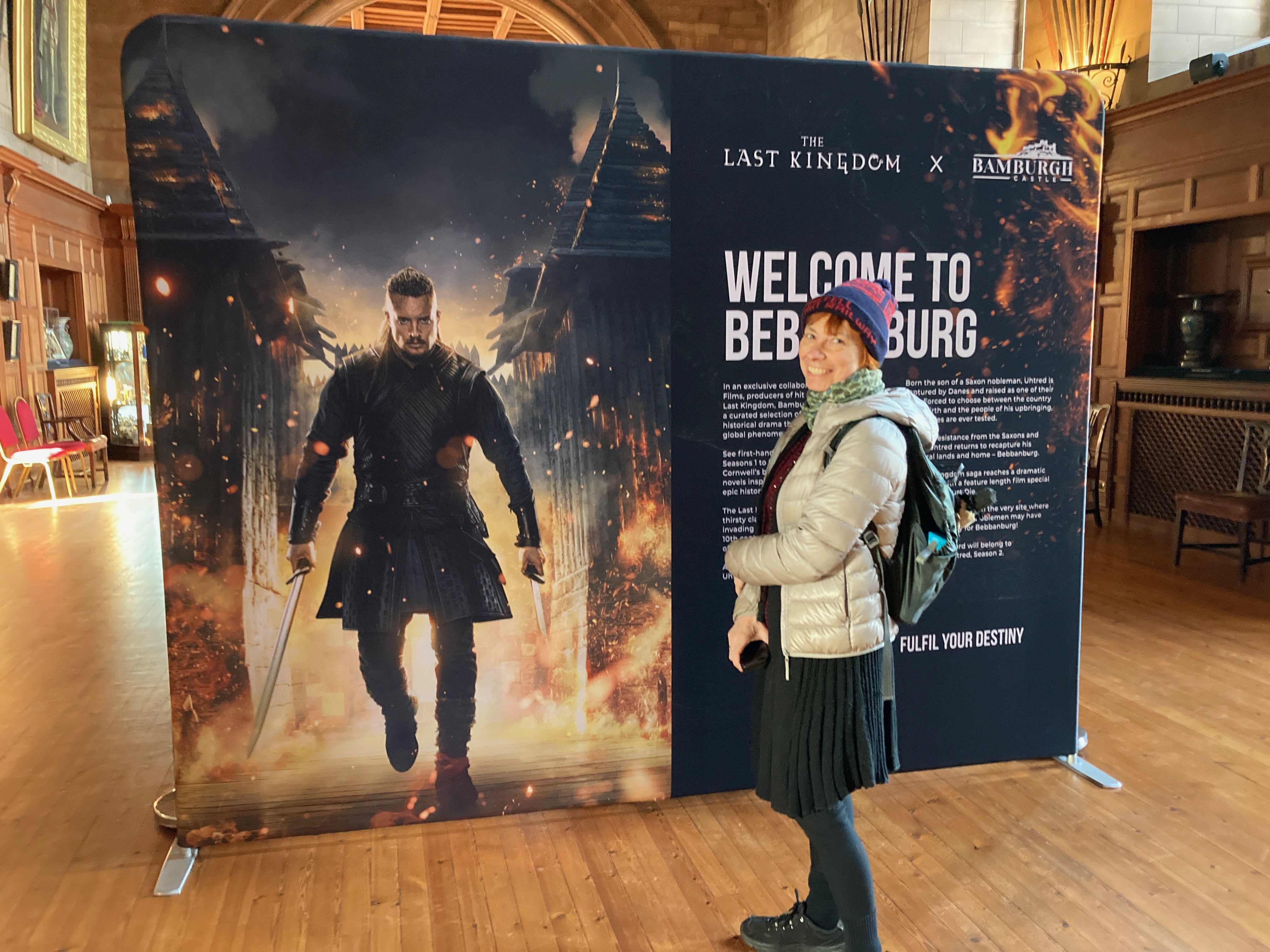
The town of Bamburgh lies very close to the offshore Farne Islands. We were too early in the season to be able to visit and enjoy the island's nature but we learned about their most famous resident, Grace Darling.
The town's museum told the story of how Grace, who lived on the islands with her father, who was the lighthouse keeper, assisted him rescue sailors shipwrecked in a storm by rowing their heavy rowing boat directly into the storm. The museum and memorial at the church were a fitting tribute to the heroine.
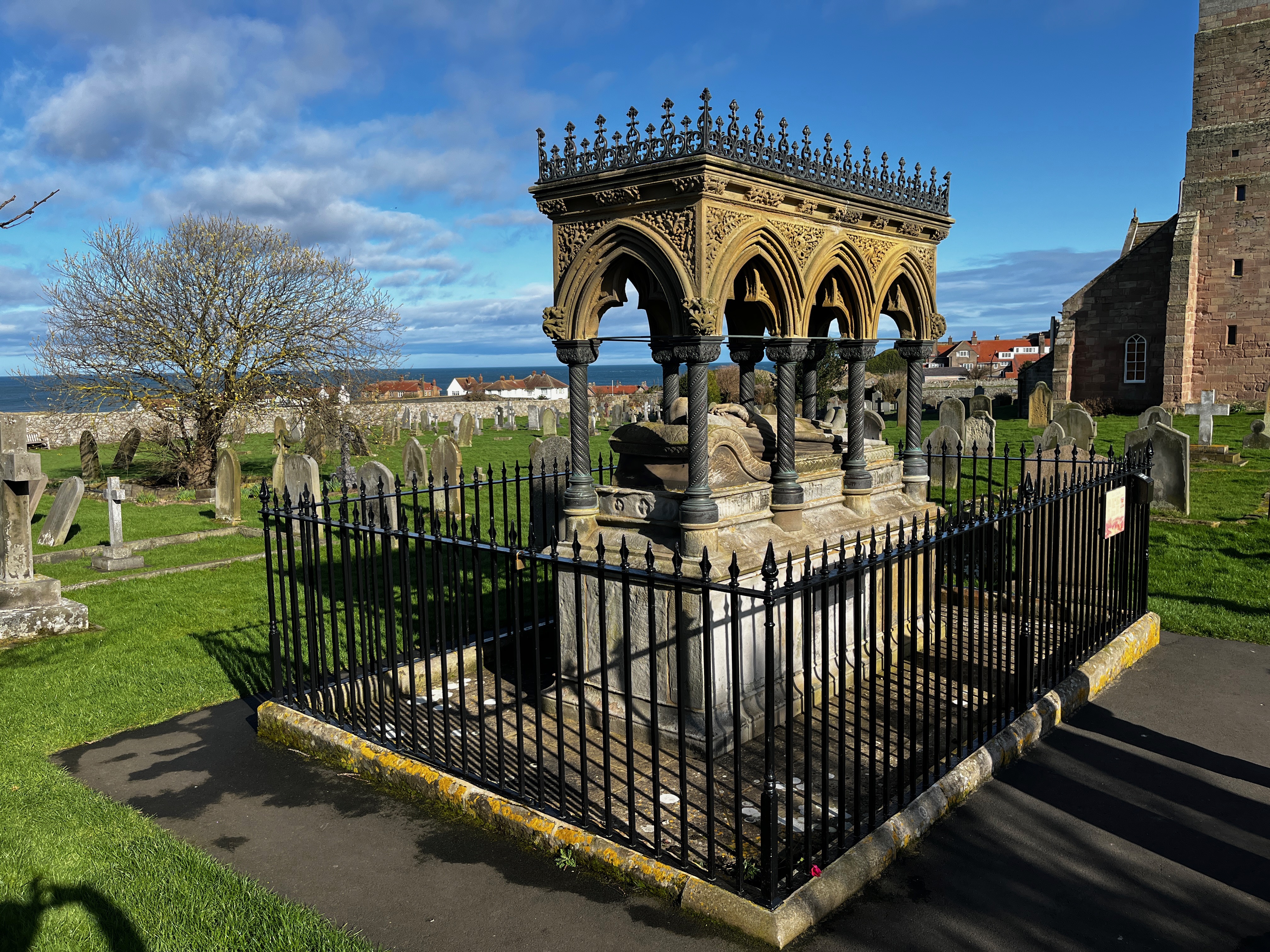
Grace
Darling's Grave.
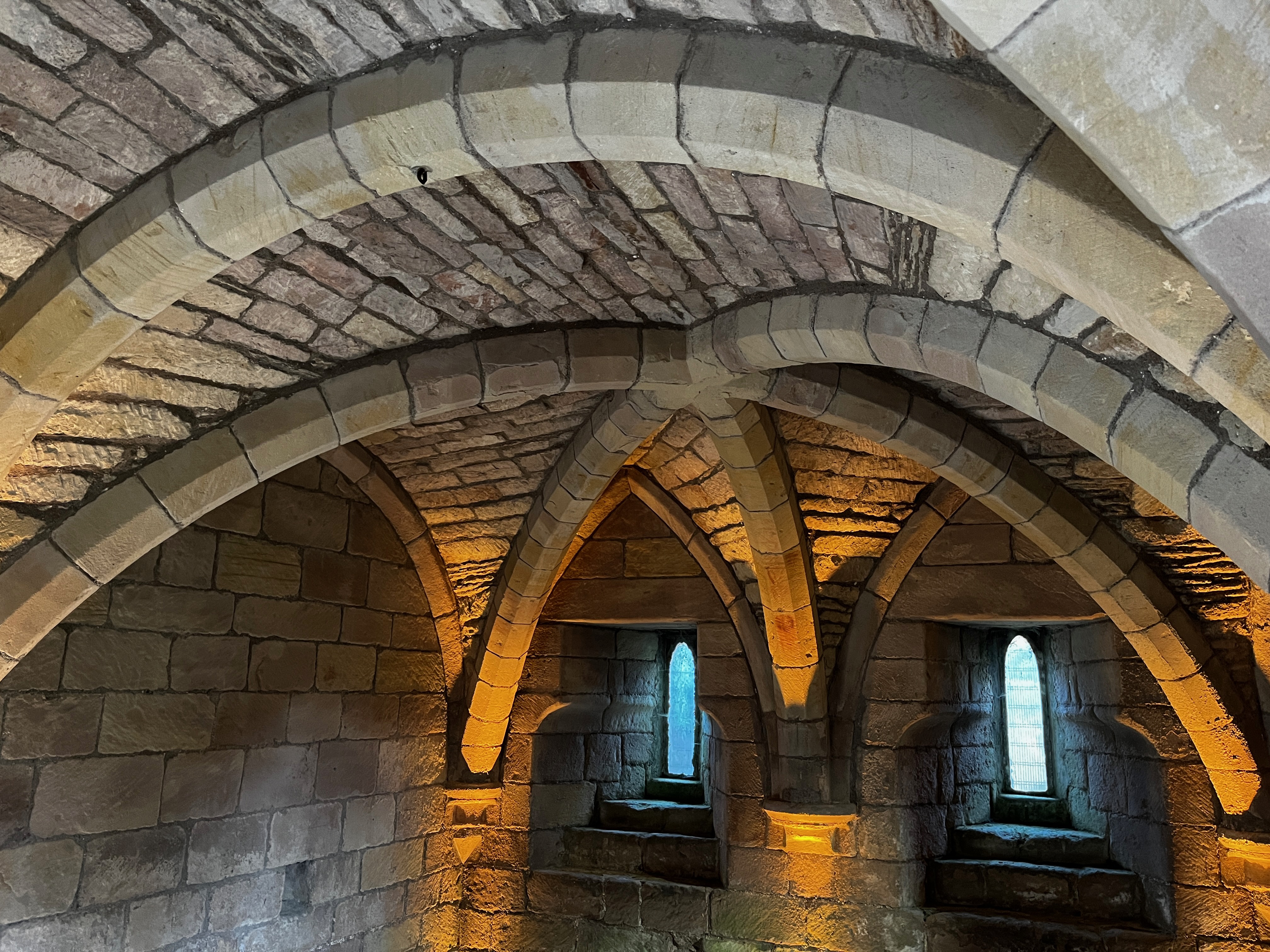
Church
Crypt.
Also interred at St. Aidan's church were the remains of early Anglo Saxon residents of the town from 1400 years ago, which had been discovered below the castle. The bones had undergone scientific analysis which gave an insight into the lifestyles of those people. The area in those days was very cosmopolitan with few of the bones originally being from the local area. Some even had their origins in the Mediterranean. The amount of information gleaned from the remains was amazing after so many years below the ground.
Once the analysis was complete the bones were placed in metal boxes in the ossuary beneath the church.
Back in Seahouses, we were lucky to see the local lifeboat and its launching tractor.
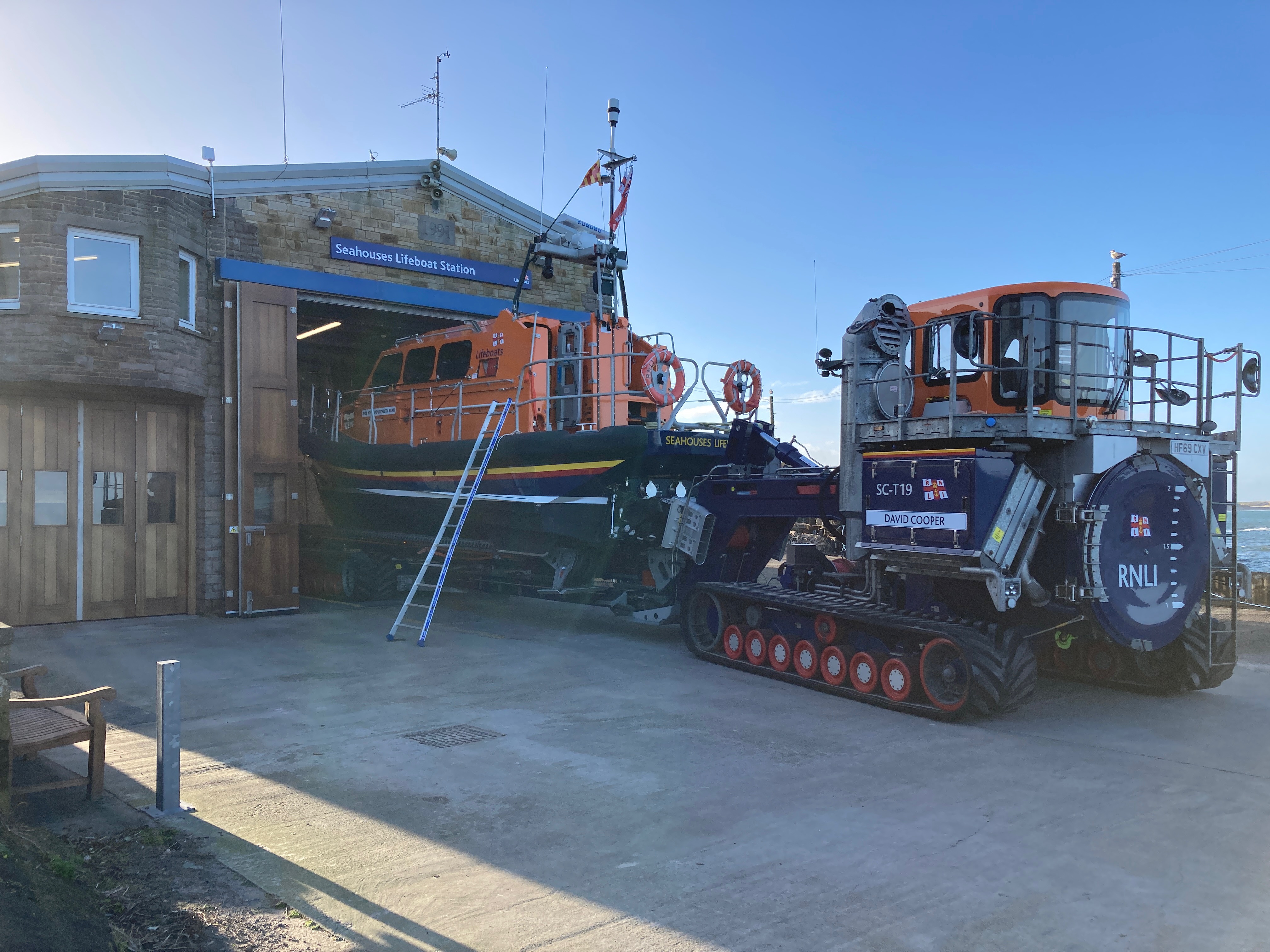
Seahouses
Lifeboat
Our visit the next day had to be carefully timed. The island of Lindisfarne, or Holy Island, is only accessible via a causeway which becomes submerged at high tide. We enjoyed a hike around the island, seeing the Priory, the Castle and harbour, where old upturned boats were used as storage sheds. Imposing Bamburgh Castle could clearly be seen on its clifftop in the distance. We rounded off our visit by sampling the mead produced on the island.
We took a hasty walk on the beach near Seahouses on our way home.
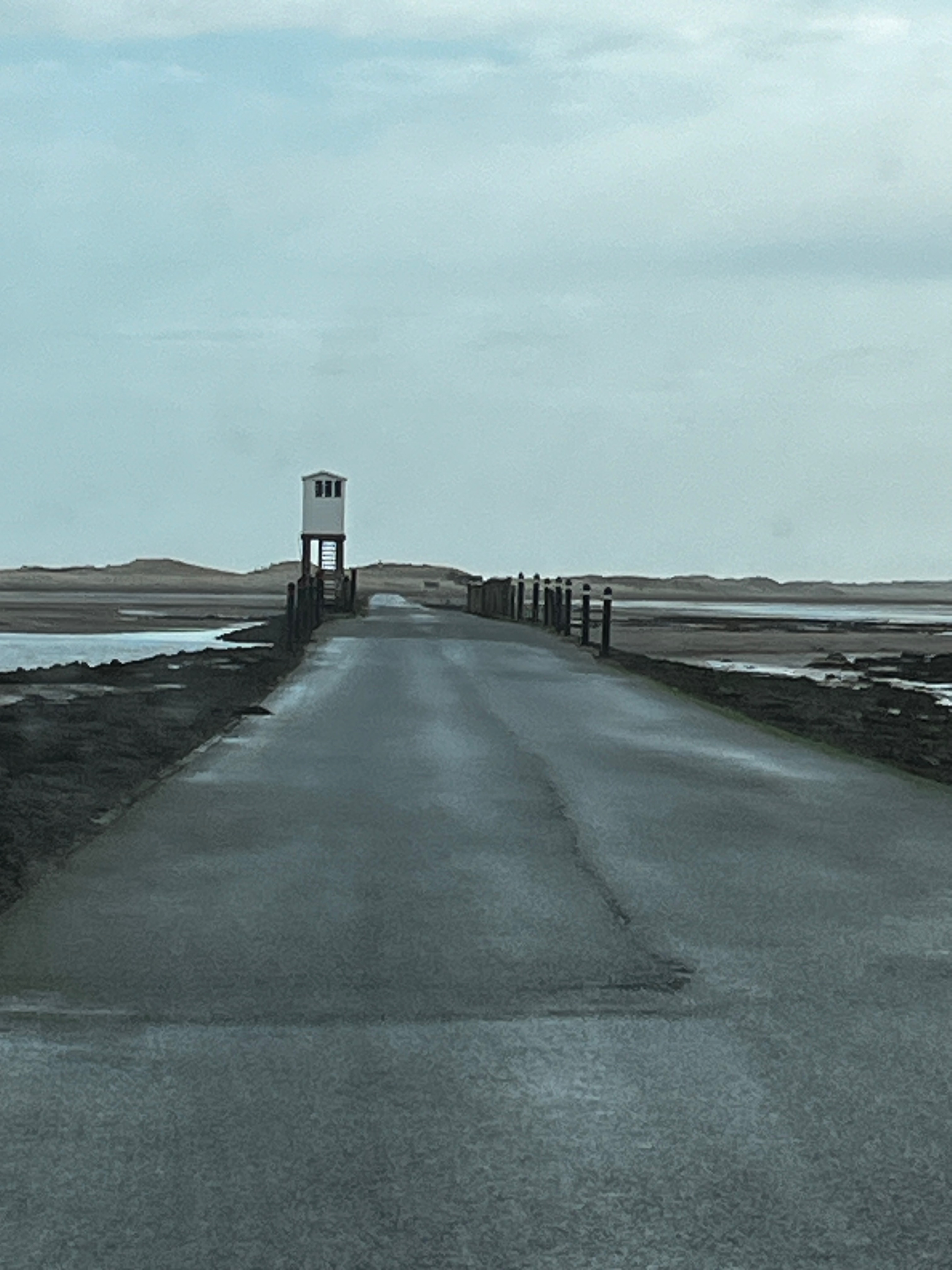
Causeway
to Lindisfarne
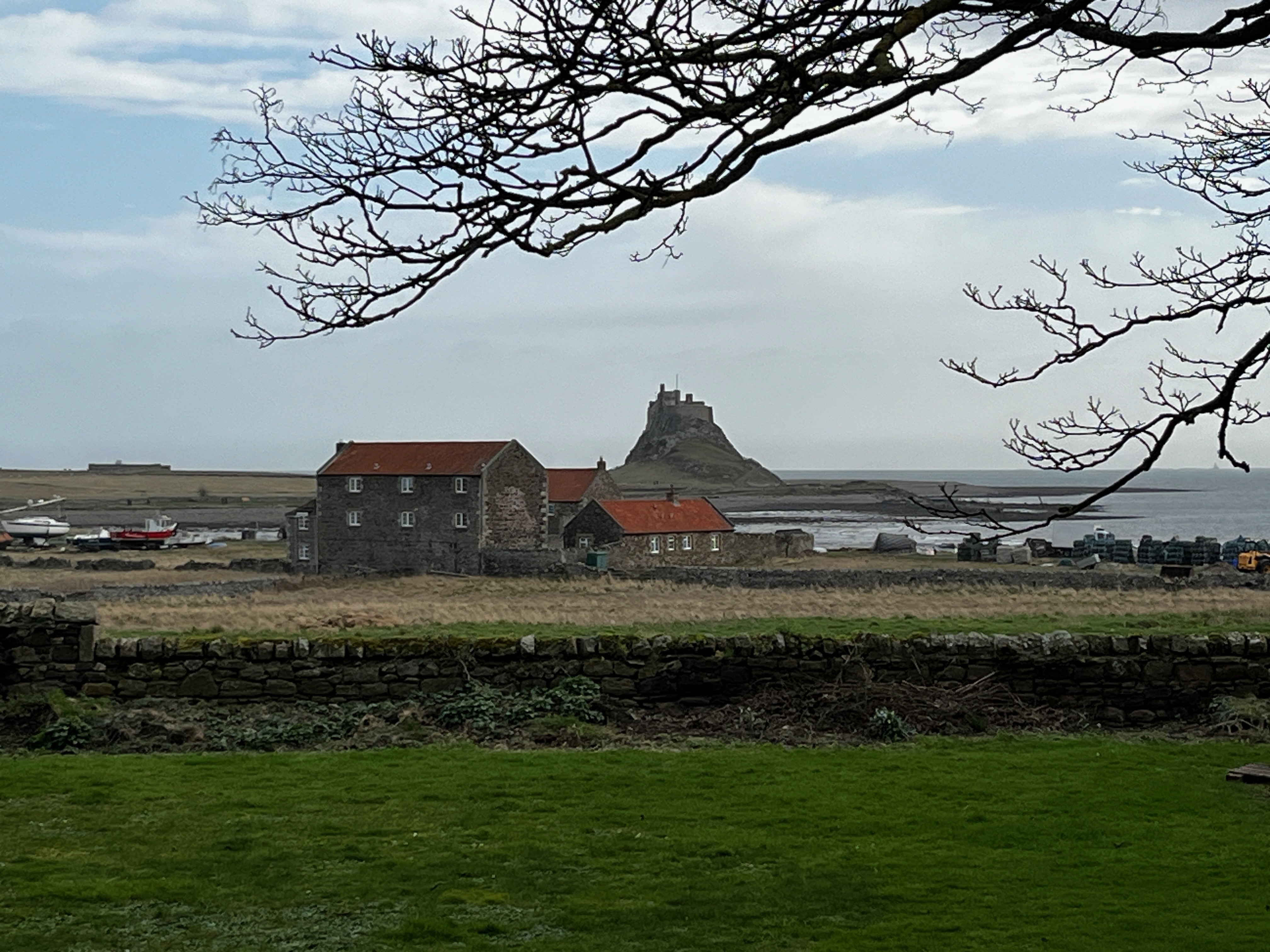
View
of the Castle from the Priory
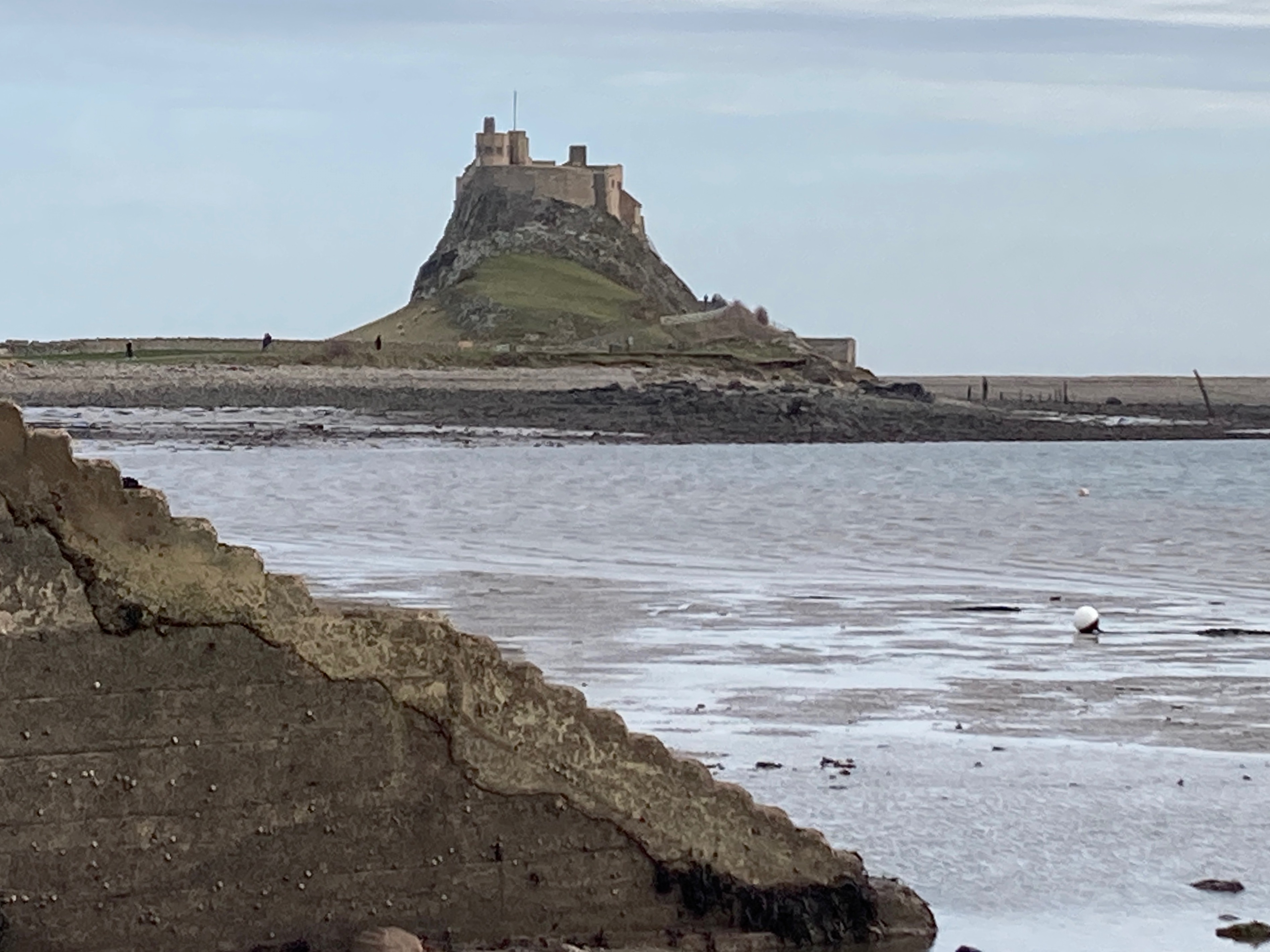
Castle
from the harbour
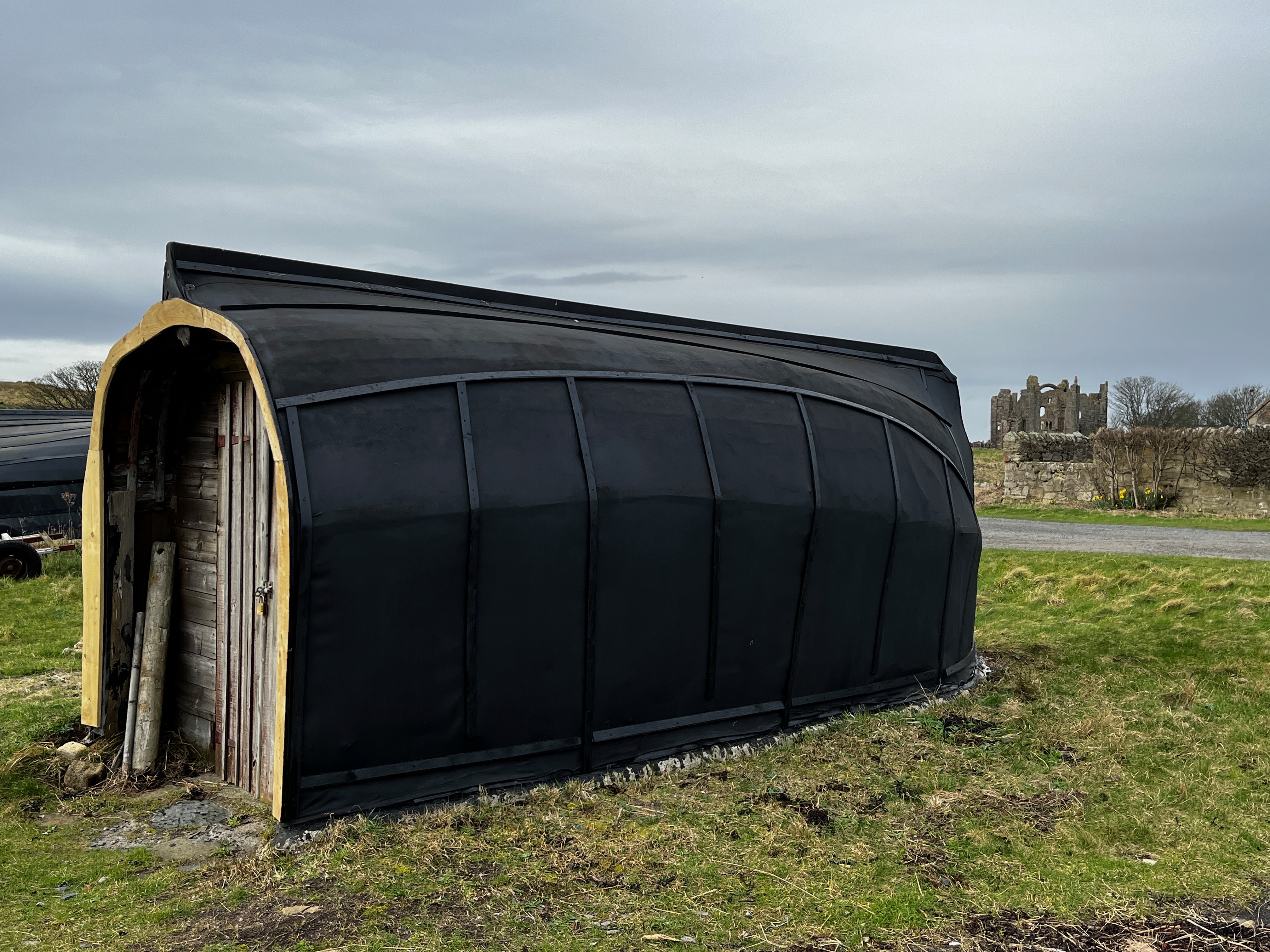
Interesting
storage units.
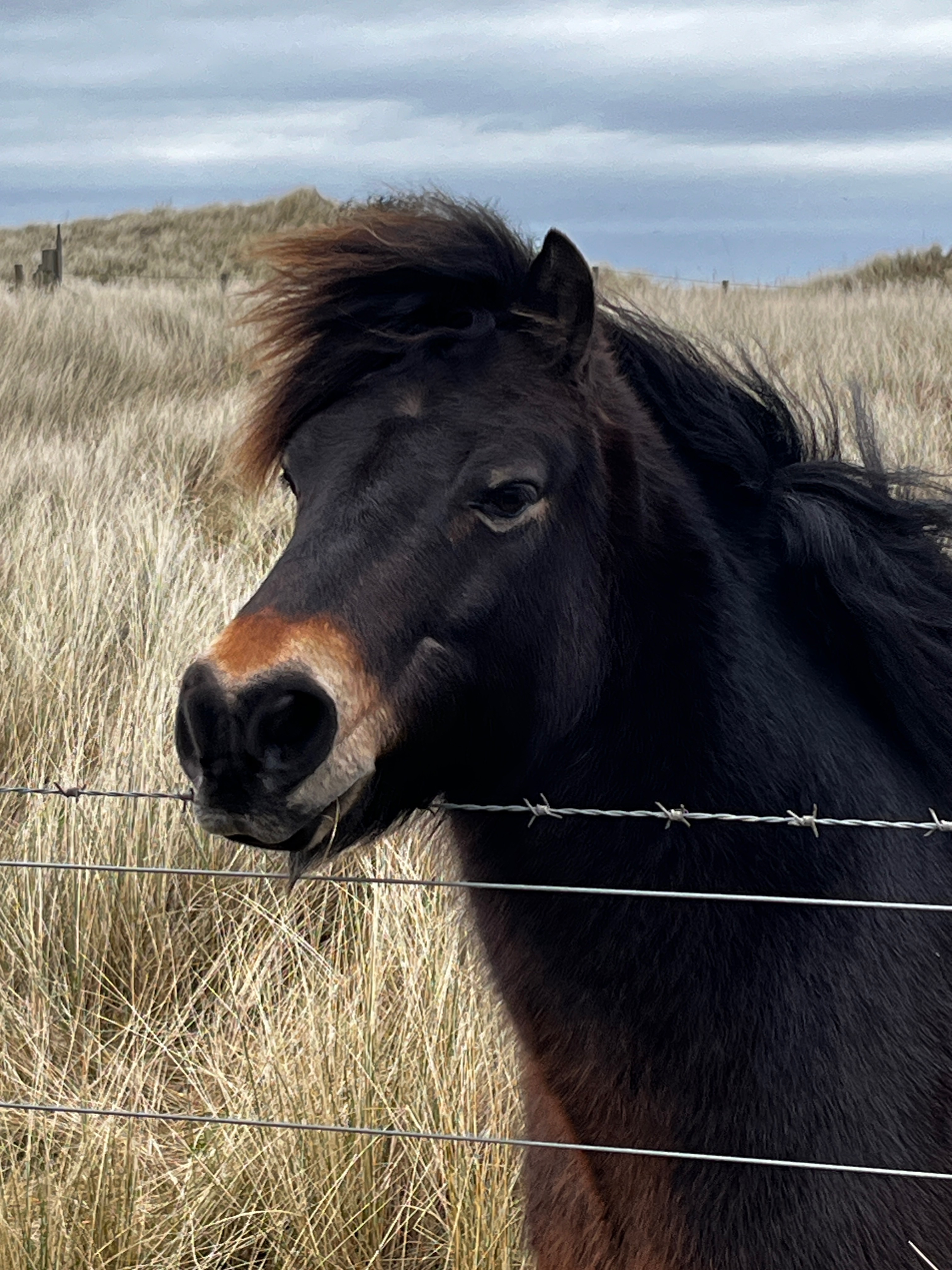
Friend
we made at the beach.
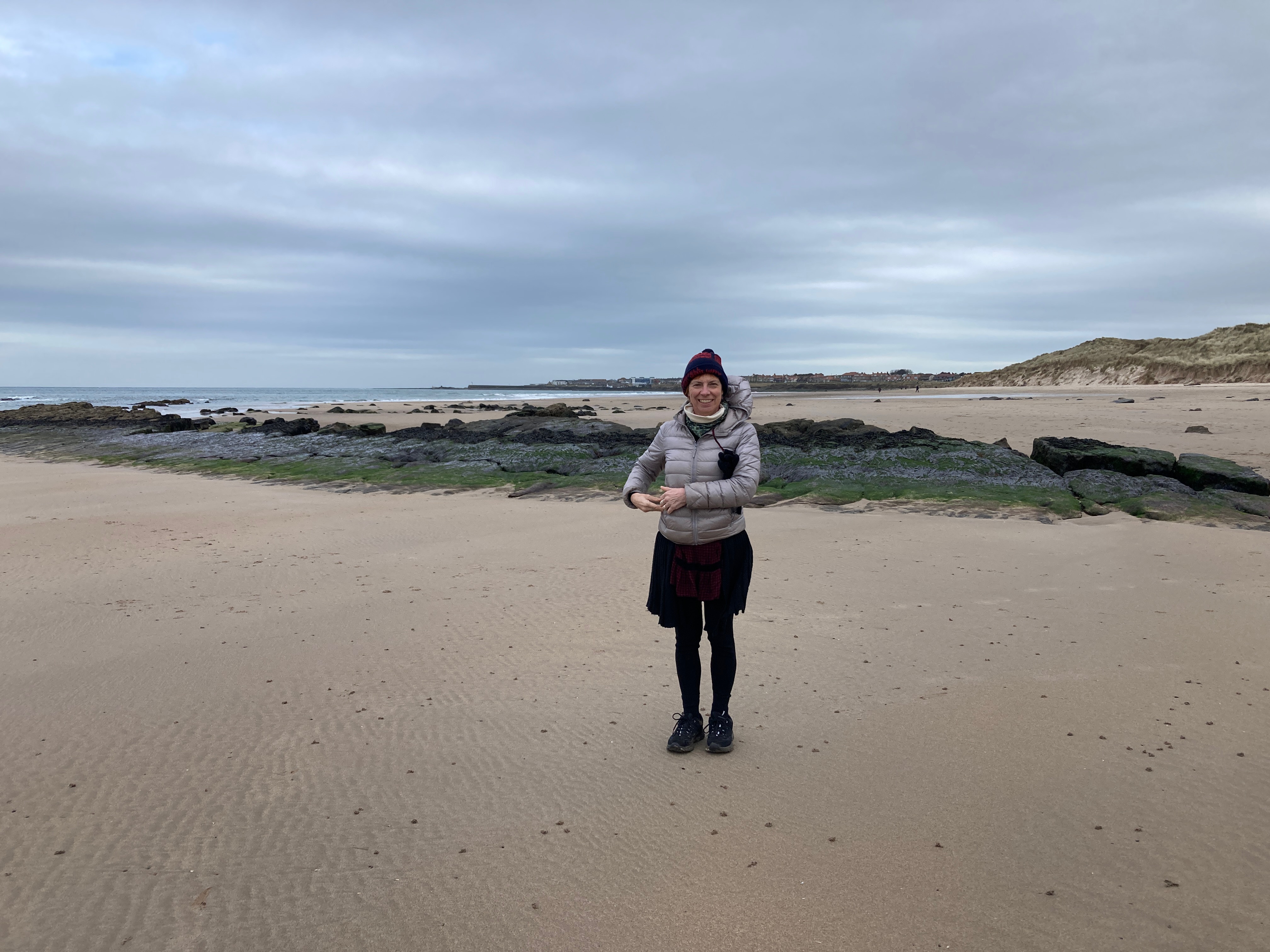
Beach
near Seahouses.
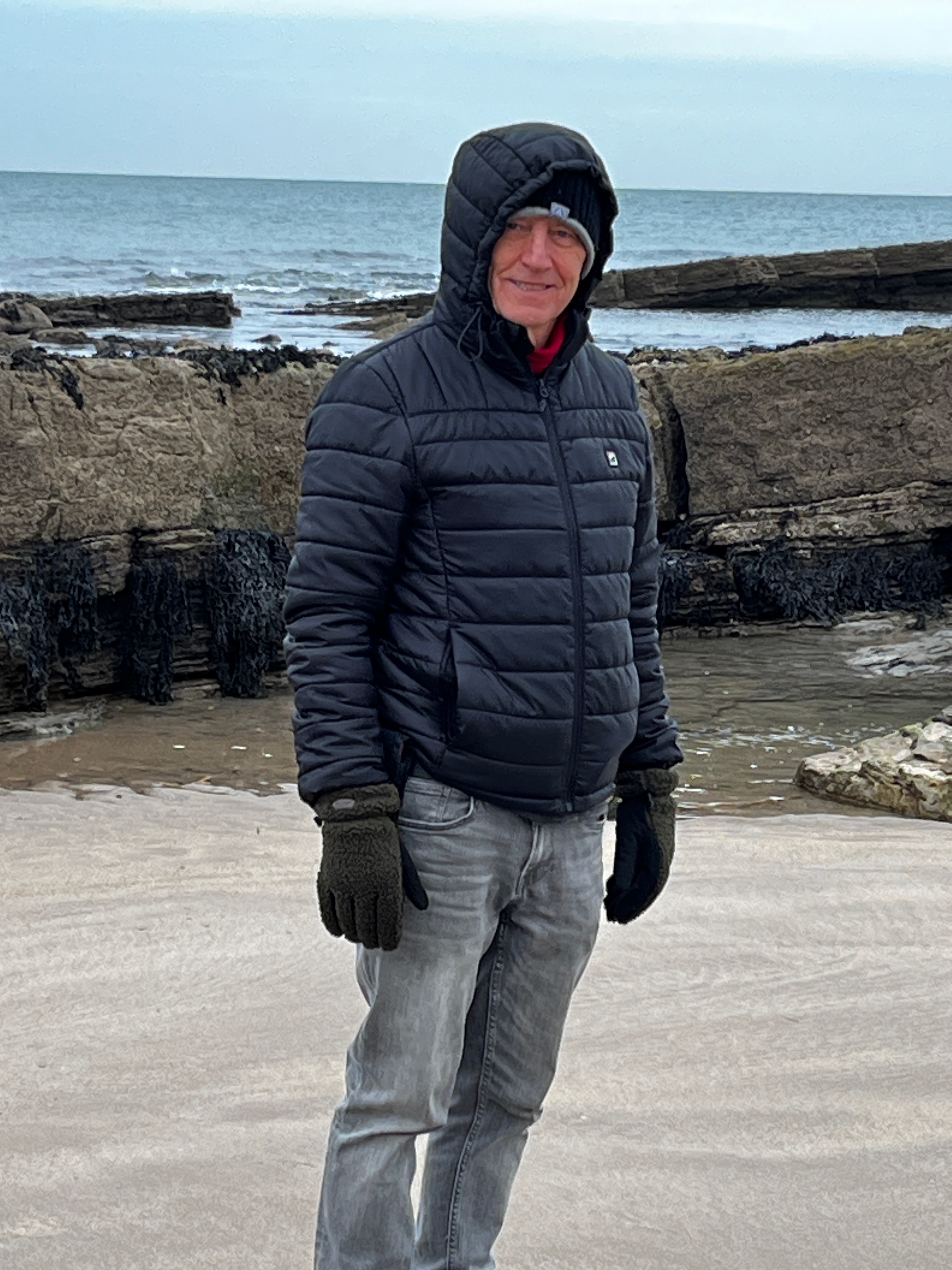
Can
we come in summer next time?
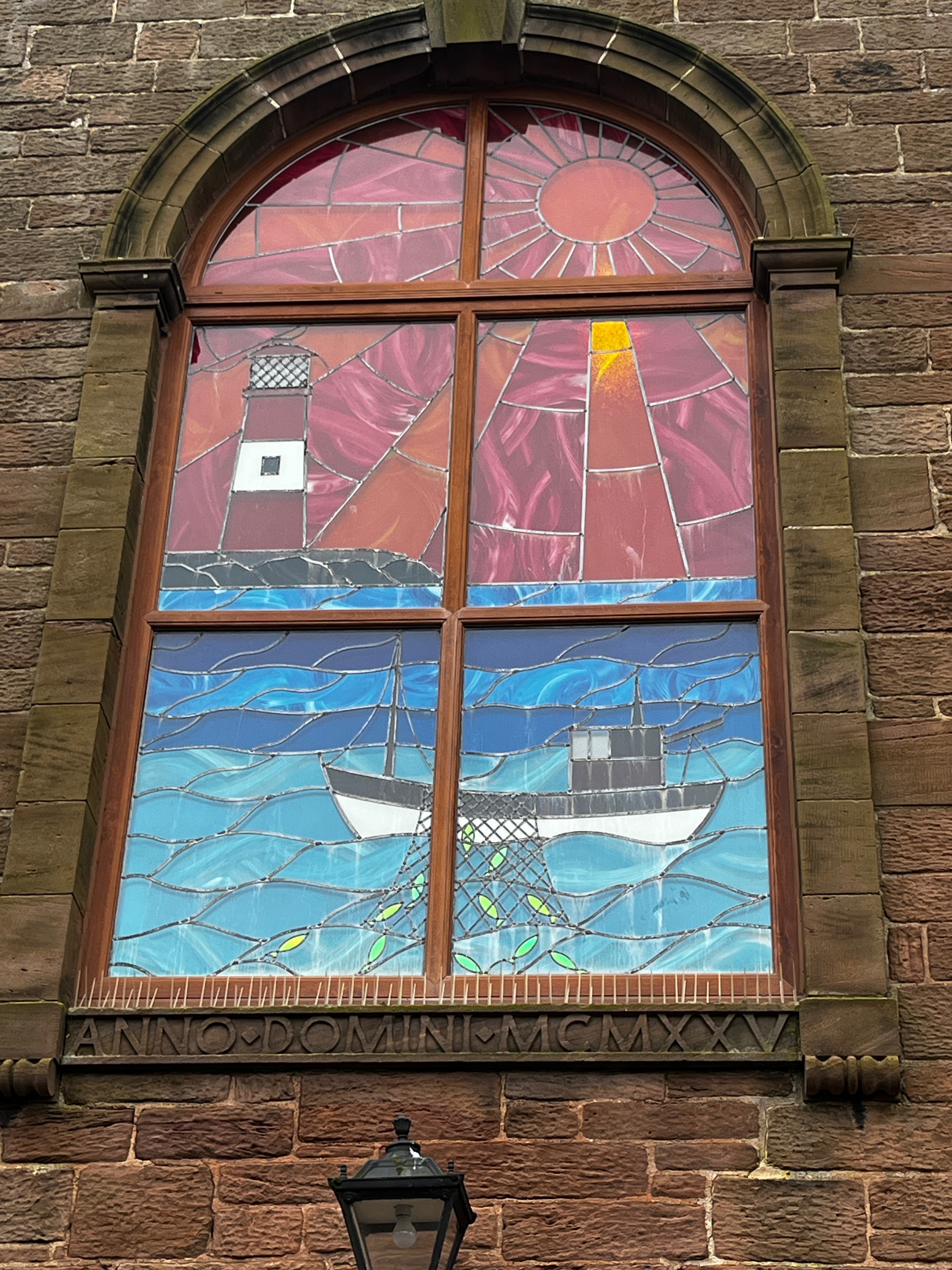
Church
window in Seahouses.
Back at our Airbnb, we helped our hostess with a flat tyre on her car before heading inside to thaw out our chilly bones.
Northumbria is beautiful, deserved more time. Perhaps another visit in summertime is called for.